
Five stress busters to try today
Stress can be detrimental to our health and wellbeing, so if life gets on top of you, try these stress-busting techniques
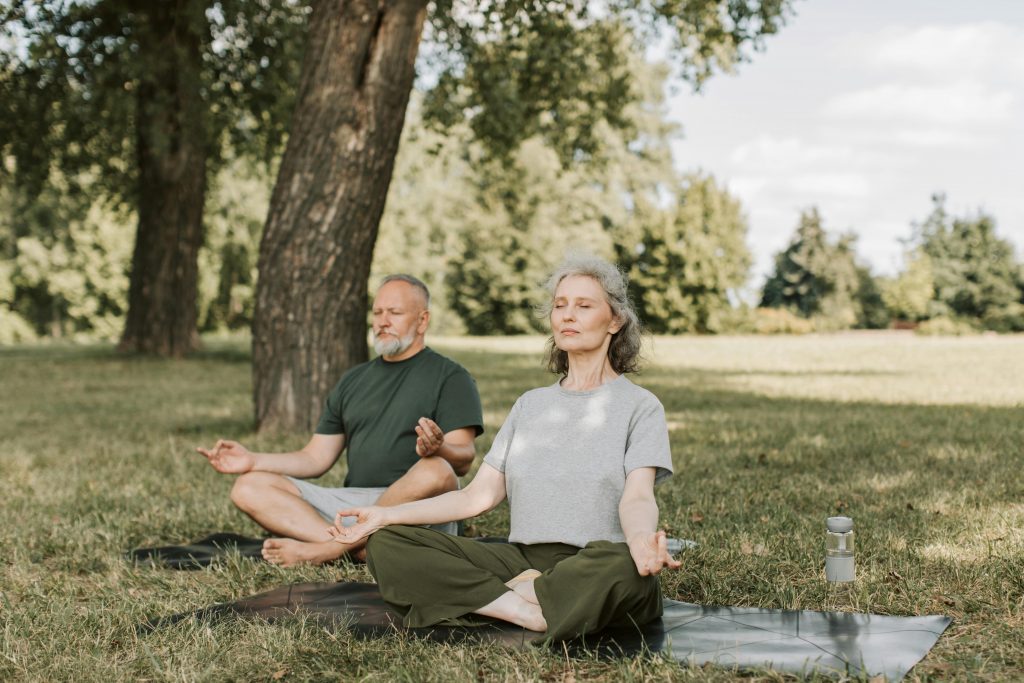
1. Box breathing
What?
Breathing exercises help you to stay focused on the present moment, preventing your mind from dwelling on stress-inducing worries. They get you out of the emotional brain and into the prefrontal cortex. This is the part of the brain that keeps us present-focused.
How?
With box breathing (one of many breathing techniques) you breathe in for a count of four, hold the breath for a count of four, exhale for a count of four and hold again for four.
This count may not work for everyone, so find what works for you as an individual.
2. Going for a walk
What?
Walking gets you into a rhythm, aiding relaxation, regulating blood pressure and again keeping you present-focused.
Plus, any physical exercise also releases dopamine, the feel-good hormone.
How?
Staying in the present is key to walking’s stress-relieving power. To help ground yourself in the present, use your five senses, What can I see? What can I hear? What can I smell? What can I touch? What can I taste?
If you’re walking as a family, you could make it a game, spotting how many kinds of tree you can see or guessing the name of the next street before you get there.
3. Progressive Muscle Relaxation (PMR)
What?
PMR involves focusing on one muscle group after another, tensing, holding and relaxing each by turn. Again, focusing on what you’re doing externally stops you playing concerns over and over in your mind. This can be very effective if you’re ruminating or worrying. Ruminating is thinking backwards, worrying is thinking forwards.
How?
Start with the feet: tensing, then holding, then relaxing. From there, work up and then down the body, focusing on different muscle groups.
With practice, simply tensing one muscle group can trigger relaxation throughout the whole body. Start by tensing the right fist, holding for five seconds, and then concentrating on the release before repeating. Then work through the entire body. After doing it enough times, participants find that just by tensing their right fist, that one first element, the relaxation goes through their entire body because it has learnt how to respond.
4. Practising the Viparita Karani yoga pose
What?
Although it’s a yoga pose rather than a cognitive behavioural therapy technique, this is often used to ease tension, calm the nervous system and promote blood flow. It’s a great one to do with the kids.
How?
Lie on your back with your legs stretching up a wall, arms out to the side and eyes closed. This allows your body to settle into the pose, encouraging mindful rhythmic breathing and relaxation.
5. Finding those endorphins
What?
Endorphins are a feel-good hormone released when we do pleasurable things. So tapping into activities that promote endorphins can be a great stress-buster.
How?
For example, simply laughing, whether from practising laughing yoga or just watching a funny film, is helpful. Laughter can be a powerful tool, releasing tension, dampening the stress response and promoting relaxation.
Pleasurable activities such as following hobbies, listening to music or dancing also serve as distractions. They change the focus of your attention, bringing your mind to the present.