
Create a Versatile Wellness Room That Boosts Health and Fits Your Home
by Eugene Williams
For homeowners interested in wellness, carving out space for movement and downshifting often runs into one stubborn constraint: most homes don’t have a spare room to dedicate to a single purpose. The challenge is remodeling one versatile room to support fitness, recovery, and relaxation without letting equipment and accessories take over the floor plan or the mood. A multipurpose wellness space can easily drift into a crowded gym corner or a too-quiet studio that stops getting used. Done thoughtfully, it becomes a steady place for daily care that still feels like part of a home.
Understanding Multipurpose Wellness Spaces
At its core, a multipurpose wellness space is one room designed to support both effort and ease. It blends simple training, recovery, and quiet time so the space matches real routines instead of forcing you into a single-use setup.
This matters because consistency beats intensity for most people. When movement and decompression live in the same zone, it is easier to fit in a short workout, then shift into a calmer state. Benefits can show up beyond fitness, since a review found an organizational wellness program was linked with lower levels of absenteeism.
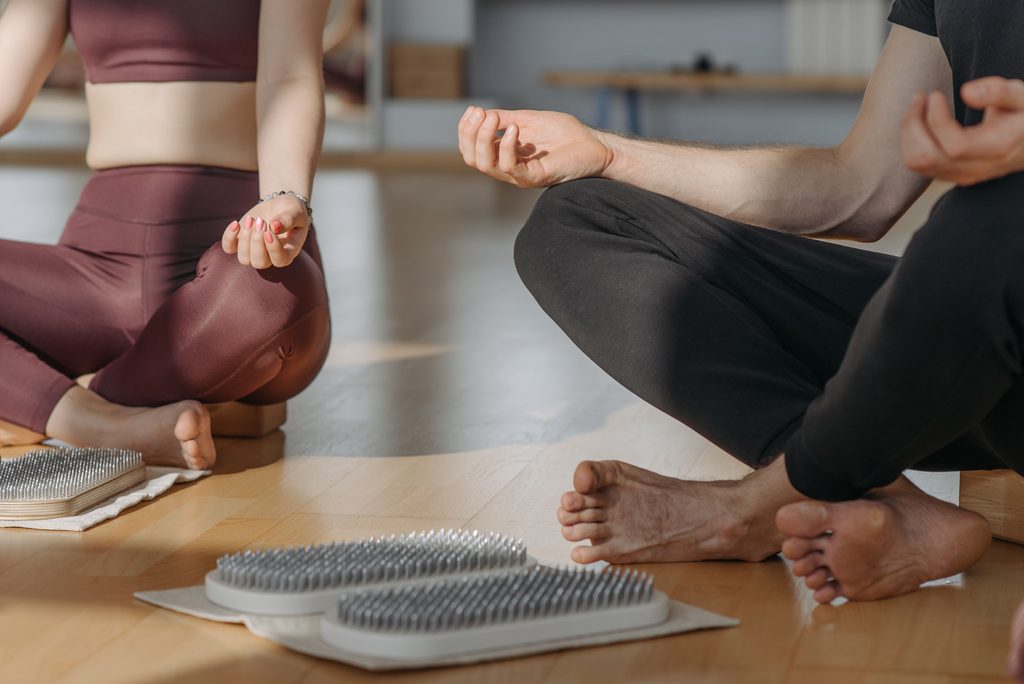
Picture a spare room that goes from a 20 minute strength circuit to five minutes of stretching, then a dimmed corner for breathing. The room adapts to your energy level, not the other way around. With that mindset, planning choices can also connect to long-term home care and coverage decisions.
Know the Difference: Home Warranty vs. Homeowners Insurance
Once you’ve pictured how a flexible wellness room will support your routine day to day, it also helps to think about what keeps that space comfortable and reliably powered. Homeowners insurance is designed for certain sudden, covered events, not the normal wear and tear that can build up as you use a room regularly for workouts, recovery, and relaxation.
A home warranty is different: it’s a service agreement that can help cover the repair or replacement of essential home systems when they break down from everyday use over time. In a wellness room, that distinction matters because your heating and cooling may run more often to keep temperatures steady, and your electrical system can see heavier demand from consistent use, both of which can contribute to gradual wear.
If you want a plain-language overview of what this type of coverage is and how it works, the summary’s ready to help you decide whether adding a home warranty could complement your insurance and reduce surprise repair costs. With that protection angle in mind, you can move into a clear remodel plan that turns your wellness-room ideas into a practical, flexible layout.
Plan and Remodel a Flexible Wellness Room
This remodel process helps you turn one room into a space that can switch smoothly between workouts and calm recovery. By planning for quick resets, you get a room that feels good to use even on busy days.
- Map your zones and movement paths
Start by clearing the room and sketching a simple floor plan with three zones: active training, recovery or stretching, and a small transition area for shoes, water, and towels. Leave a clear walkway so you can move safely without stepping around equipment. This makes the room feel bigger and keeps setup time low. - Choose anchor pieces that can tuck away
Pick one or two “always out” items that define the room, like a yoga mat station or a compact bench, then make everything else easy to store. Favor foldable, stackable, or wall-hung gear so you can reset the space in under five minutes. The goal is a room that adapts to your routine instead of locking you into one layout. - Build smart storage at the edges
Place closed storage along the perimeter, such as a low cabinet, baskets, or a shallow shelving unit, and assign each category a home (bands, weights, recovery tools, cleaning wipes). Keep frequently used items at waist height and heavier items low to reduce strain. When storage is predictable, the room stays tidy and calming. - Layer lighting for energy and wind-down
Add two lighting modes: brighter task lighting for workouts and softer light for relaxation and mobility work. Use dimmable bulbs, floor lamps, or warm-toned fixtures so the room can shift moods without a full redecoration. Many designs lean on natural lighting to support a more restful feel. - Pick durable, easy-clean materials for fast resets
Choose surfaces that handle sweat and frequent wiping, such as washable paint, wipeable wall protection in high-touch areas, and flooring that is comfortable underfoot. Add a small, washable rug or mat where you need cushioning, but avoid anything so plush that it traps dust. Durable finishes keep maintenance simple so the room stays inviting.
Wellness Room Remodel FAQs (Budget, Layout, Upkeep)
Q: How much should I budget for a flexible wellness room remodel?
A: Start with a “minimum usable” list: flooring or a large mat, lighting you like, and one storage solution. A designer-friendly rule is to invest a little time and money so the room feels intentional and you actually use it. Add upgrades only after the basics work.
Q: What if my room is small and everything feels in the way?
A: Prioritize open floor area over extra equipment. Choose one compact centerpiece, then keep the rest vertical or tucked in closed storage so you can move freely. If you cannot take a full step in any direction, you have too much out.
Q: How do I keep a multipurpose room from getting messy fast?
A: Create a two-minute reset: wipe, return items to labeled homes, and clear the floor. Keep a small bin with wipes, a hand towel, and a laundry bag so cleanup stays automatic.
Q: How can I avoid overspending once I start buying gear and decor?
A: Set a fixed limit for each category, then pause purchases for a week after each “big” buy. A checklist like common budgeting mistakes helps you spot impulse upgrades before they derail the plan.
Q: Can one room really support both intense workouts and relaxation?
A: Yes, if the calming elements are as easy to access as the workout tools. Use quick-change cues like a dimmable lamp, a rolled mat, and a small basket of recovery items so the space can shift with your energy.
Start One Upgrade to Build a Room That Supports You
A flexible wellness room can feel hard to pin down because it has to serve workouts, recovery, and everyday life without becoming cluttered or ignored. The way through is thoughtful wellness design: set clear priorities, plan for change, and make each choice earn its space so the room stays useful as routines shift. That approach turns remodeling knowledge into real empowerment, because decisions get simpler and the space works with less upkeep. Design for the life you repeat, not the mood you’re in today.
